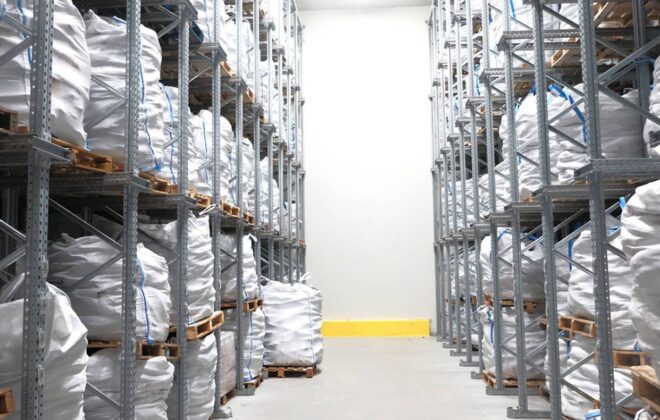
Cold storage is a storage method in which a specific temperature is artificially maintained. Cold storage facilities are generally designed to store products in an environment below the outside temperature. So, what are the rules for cold storage? Let's examine the details together.
Cold Storage Rules
Cold storage rooms offer the best possible environment for the long-term or temporary storage of food and various industrial products. The primary purpose of these rooms is to prevent spoilage and extend the shelf life of foods such as fruits and vegetables. Cold storage rooms offer optimal storage conditions, keeping food and other materials colder than normal room temperature. Cold storage rules include:
- Before the cold storage installation takes place, conditions such as the type of product to be stored, the number in stock, and the density of inlets and outlets must be specified and planned.
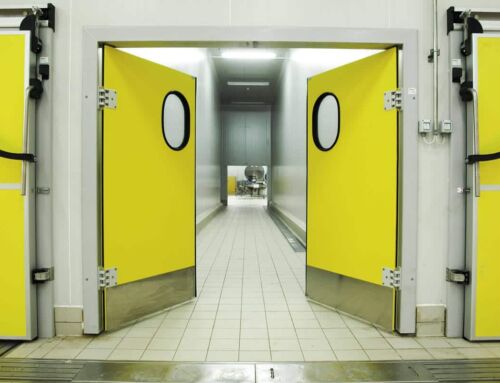
- Cold storage doors should be preferred to prevent air leakage in the warehouse.
- Humidity control should be maintained within the cold storage area. This will prevent products from losing weight, changing color, wrinkling, and spoiling. As a result, products will stay fresher for longer.
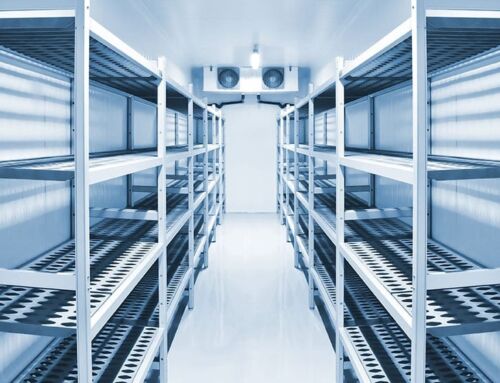
- Cold storage shelves should be preferred to prevent the products preserved in the room from affecting the climate values.
- Cold air must be distributed evenly across the entire surface within the warehouse. Industrial cooling devices can be used to achieve this.
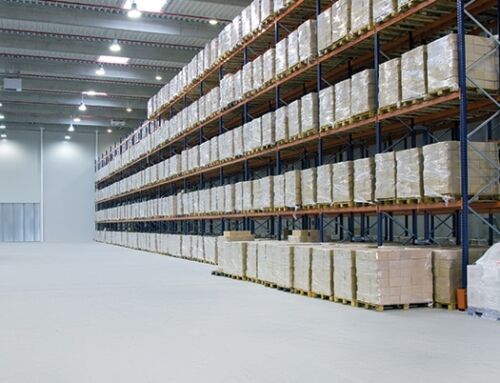
- Finally, it is important to store products in a way that does not prevent air flow.